Defining Predictive Analytics: Beyond the Buzzword
Predictive analytics is often discussed in hushed, technical tones, yet its core premise is remarkably straightforward: it is the branch of advanced analytics that uses both historical data and machine learning techniques to estimate the likelihood of future outcomes. At Aurum Automation, we see it not as a crystal ball, but as a sophisticated mathematical engine that turns "we think" into "we know."
"The goal is to turn data into information, and information into insight to make the future predictable."
The Power of Historical Forecasting
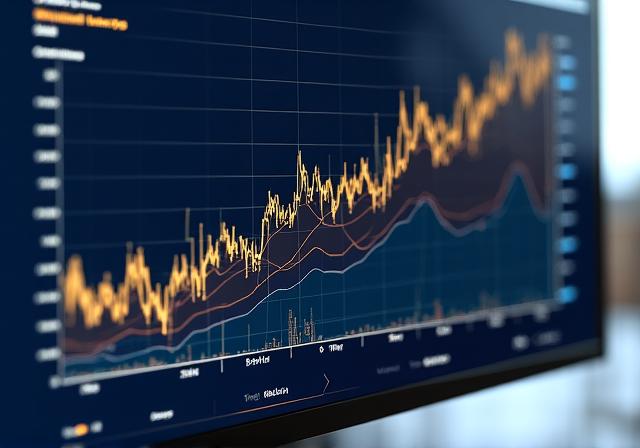
By identifying patterns in historical data, predictive models identify risks and opportunities. This isn't just about simple linear trends; it involves complex multivariate analysis where AI identifies correlations that are invisible to the human eye. Whether it's forecasting seasonal demand or identifying a slow decline in customer engagement, history is the roadmap to your future performance.
Real-World Applications of ROI
Inventory Optimization
Predict exactly which stock items will move in the next quarter, reducing storage costs and eliminating stock-outs before they happen.
Churn Reduction
Identify the 'digital body language' of at-risk customers, allowing your team to intervene with personalized offers before the customer leaves.
Conclusion: Building the Foundation
Predictive analytics isn't a standalone tool; it's the pinnacle of a solid data infrastructure. Before you can predict, you must collect and clean. Aurum Automation specializes in creating the automated pipelines and real-time reporting systems necessary to fuel these predictive engines. The future of business isn't reactive—it's predictive.
Ready to unlock your data's potential?
Join the leading UK firms using AI to outpace the competition.
Consult Our Experts